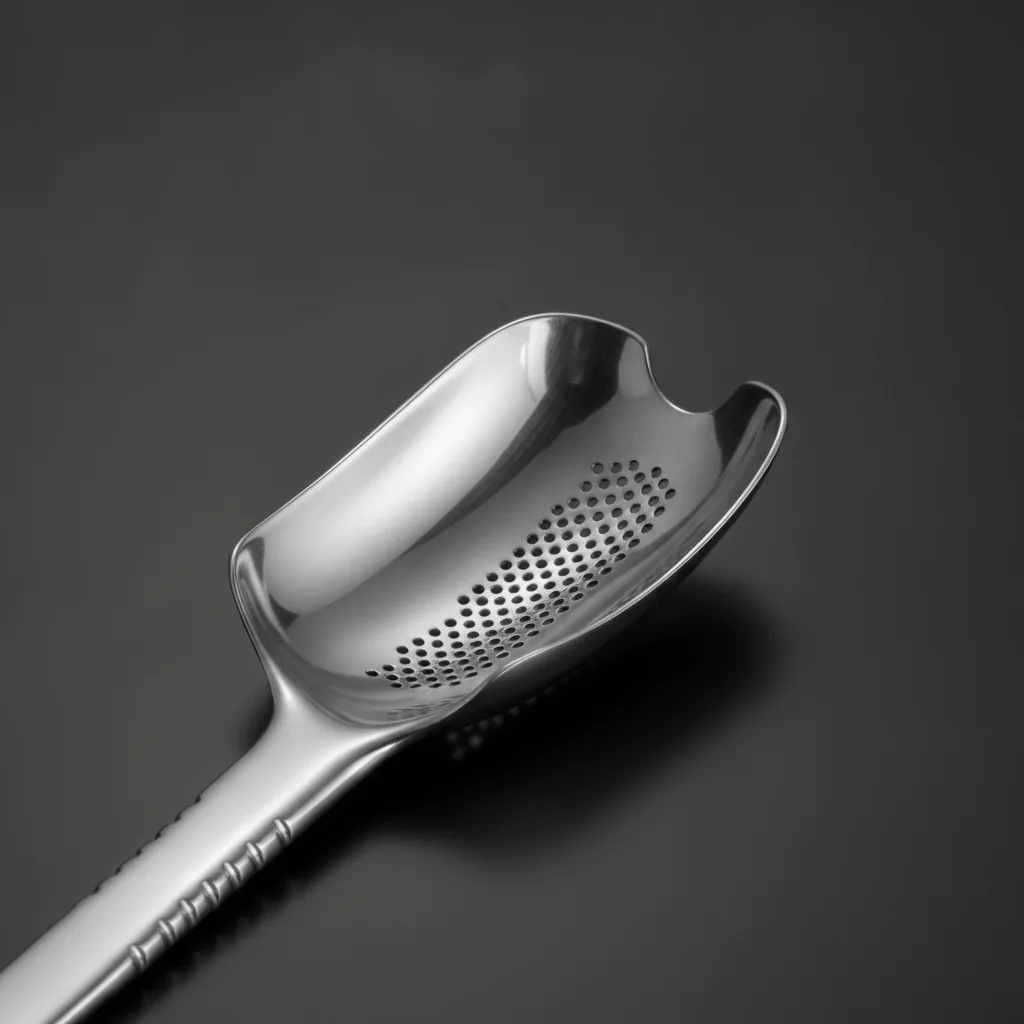
Impression Trays — Pattern and Clinical Use
The tray holds impression material in contact with the teeth and soft tissue while it sets, so the accuracy of the resulting cast depends on the tray not flexing. Perforated trays let material extrude through the holes and lock mechanically to the tray; solid rimlock trays retain material by an inward-turned rim instead. Sizes run from small to large for upper and lower arches, with edentulous and partial patterns available.
Rigidity is the whole specification. A tray that flexes as the material sets distorts the impression in a way that is invisible until the restoration does not fit, which is why stainless reusable trays remain preferred over disposables for precision work.
Impression Trays Variants and Specifications
Standard tray types and sizing.
| Variant | Specification / use |
|---|---|
| Perforated, upper / lower | Material locks through perforations |
| Solid rimlock, upper / lower | Rim retains material, smooth surface |
| Dentate sizes S / M / L | Standard arch sizing |
| Edentulous patterns | Shallower flange for edentulous ridges |
| Partial / quadrant trays | Sectional impressions |
| Autoclavable stainless | Reusable, dimensionally stable |
Material, Finish and Quality Control
We forge impression trays from 316L austenitic stainless. Tray rigidity is checked under flex load, since a tray that distorts as material sets produces an inaccurate cast that is not detected until the restoration fails to fit. Each batch passes Rockwell hardness testing, dimensional checks on rigidity under flex load, and visual inspection under our ISO 13485 system before passivation and final finishing. Mirror and satin finishes are both available — satin is usually specified where glare under operating lights is a concern.
Who Sources Impression Trays From Surgical Star
Impression trays sell to dental distributors and laboratories as graded size sets. Reusable stainless trays are a durable-goods line with slower reorder but higher unit value than disposables.
OEM, Certification and Ordering
Every impression trays can be produced as a private-label line: your logo laser-marked on the handle, your catalog numbers, and your own printed packaging, manufactured from your drawings or a reference sample. Manufactured under an ISO 13485 quality system, CE-marked to EU MDR 2017/745 and covered by US FDA establishment registration. A certificate of conformity and an ASTM F899 material certificate for the exact steel grade ship with your order.
MOQs are low and new-brand friendly, and vary with pattern, finish and branding. Pricing is direct from the factory and tiered by volume. After you approve a branded pre-production sample, bulk production typically runs four to six weeks and ships worldwide DDP with HS codes handled. See how OEM & private label works →
Related Dental Instruments
Frequently Asked Questions
Perforated or solid rimlock trays?
Perforated trays lock material mechanically through the holes; rimlock trays retain it with an inward-turned rim and give a smoother impression surface. The choice depends on the material and technique used.
Why use stainless rather than disposable trays?
Rigidity. A tray that flexes while the material sets distorts the impression, and the error is only discovered when the restoration does not fit.
Do you supply edentulous trays?
Yes, with a shallower flange profile designed for edentulous ridges, alongside the standard dentate and partial quadrant patterns.
Can you manufacture these under our own brand?
Yes — full OEM and private label. We laser-mark your logo and catalog numbers, pack in your branded boxes, and work from your drawings, tech pack or a reference sample, with a pre-production sample approved before any bulk run.
Send your pattern list, drawing or a reference sample and we’ll quote MOQ, pricing and lead time — standard catalog or fully private-label.
Request a Free Quote Order a Sample